
/ home
MENU

Every hour product sits in the backroom is revenue delayed—here's how leading operators are accelerating flow and increasing recovery.
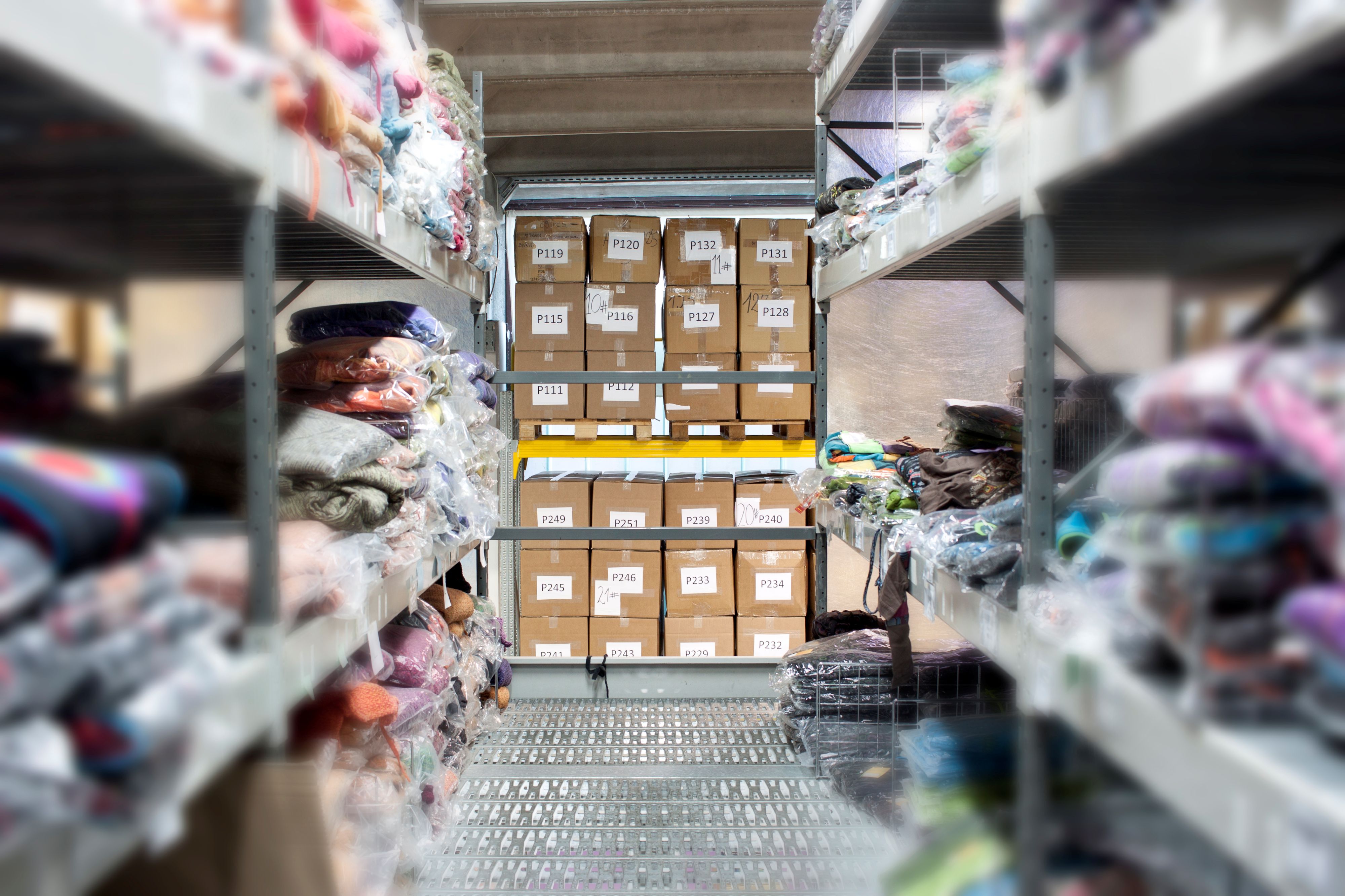
Most thrift organizations focus heavily on donations and sales. They invest in donor acquisition, improve merchandising, and launch new marketing initiatives. Yet one of the largest threats to revenue is often hiding in plain sight: slow processing. Every day an item sits in a gaylord, donation bin, or backroom rack is a day that item is not generating revenue. Processing is not simply a support function. It is one of the most important revenue engines in the entire organization.
Unlike traditional retailers that purchase inventory on demand, thrift organizations operate in a constant flow environment. Donations arrive daily, often exceeding processing capacity. When processing slows, inventory begins to accumulate. Backrooms become congested. Product ages before reaching the sales floor. Seasonal merchandise misses optimal selling windows. High-value items remain hidden in unsorted donations.
The result is simple: delayed revenue. A winter coat that reaches the sales floor in January generates more value than the same coat processed in March. A Halloween costume held in the backroom until November has already missed its opportunity.
Time matters. Many organizations underestimate the financial impact of operational bottlenecks. Slow sorting, inconsistent grading standards, inefficient workstation design, and unclear production expectations all reduce throughput. While these issues may appear minor individually, together they create significant constraints across the entire operation.
Common symptoms include:
These operational challenges ultimately impact both revenue and customer experience.
One of the most important principles in thrift retail is maintaining a full and fresh sales floor. Customers visit thrift stores because inventory changes constantly. They expect discovery. They expect surprise. They expect new product. When processing slows, freshness declines.
The same merchandise remains on the floor longer. Product rotation decreases. Customer excitement diminishes. Store visits become less frequent. The organizations that consistently drive strong sales understand that processing speed directly influences customer engagement. Fresh product creates fresh demand.
High-performing operators view processing as a strategic function rather than a backroom activity. They measure throughput. They track production. They optimize workstation layouts. They establish grading standards. They create accountability around flow.
Most importantly, they understand that every minute saved in processing increases the speed at which donations become revenue. The goal is not simply to process more items. The goal is to process the right items, at the right speed, through the right channels.
Improving processing performance rarely requires major capital investment.
In many cases, meaningful gains come from:
Small improvements in flow often create significant improvements in throughput and recovery.
The future of circular retail will not be won solely through marketing, donation acquisition, or expansion. It will be won through operational excellence. Organizations that move product faster, recover more value, and maintain consistently fresh sales floors will outperform those that allow inventory to accumulate behind the scenes. Processing is not a cost center. It is a growth engine. And for many organizations, it remains the largest untapped opportunity in the business.
At Circular Retail Group, we help thrift and circular retail organizations improve processing flow, increase recovery rates, and build scalable operating systems that turn donations into revenue faster.
Explore Real Strategies, Trends, and Tips to Help Your Brand Grow.


.jpg)