/ home
MENU

A closer look at how salvage, recycling, and secondary markets are becoming critical profit centers for modern thrift operators.
Most shoppers assume the journey ends when an item leaves the sales floor unsold.
In reality, that is often where the next chapter begins.
For thrift organizations and circular retailers, an unsold item is not necessarily a failed item. It is simply an item that has not yet found the right market, the right channel, or the right customer. The organizations that understand this distinction are often the ones generating the highest recovery rates and the strongest financial performance.
The question is not whether an item sells. The question is what happens next if it doesn't.
For decades, many retailers viewed unsold inventory as waste. Product sat on clearance racks, occupied valuable floor space, and eventually found its way to disposal.
In the circular economy, that mindset is changing.
Today, leading thrift operators understand that every donation represents multiple opportunities for value recovery. The sales floor is only one channel in a much larger ecosystem. When an item does not sell in retail, organizations can redirect it through alternative pathways that continue to generate both revenue and environmental impact.
An item that leaves the sales floor unsold may still have significant value.
One of the most important developments in the thrift industry has been the growth of secondary markets.
Clothing, shoes, accessories, books, housewares, electronics, and textiles all have potential value beyond traditional retail stores. Export markets, salvage buyers, recyclers, online resellers, and specialty recovery channels have created new opportunities for organizations to monetize product that would have historically been discarded.
These secondary channels often transform what was once considered waste into a revenue stream.
For many operators, salvage revenue now represents an important component of their overall recovery strategy.
This idea may seem counterintuitive, but high-performing organizations focus on recovery rates rather than individual sales outcomes. Not every item will sell in a store. Not every item should sell in a store.
Attempting to force every donated item through retail can create inefficiencies, overcrowded sales floors, and declining customer experiences. Instead, successful organizations create structured recovery systems that direct products to their highest-value outlet. Some items belong on the sales floor. Others belong in salvage. Others may be better suited for recycling or material recovery. The goal is maximizing total value recovered from every donation received.
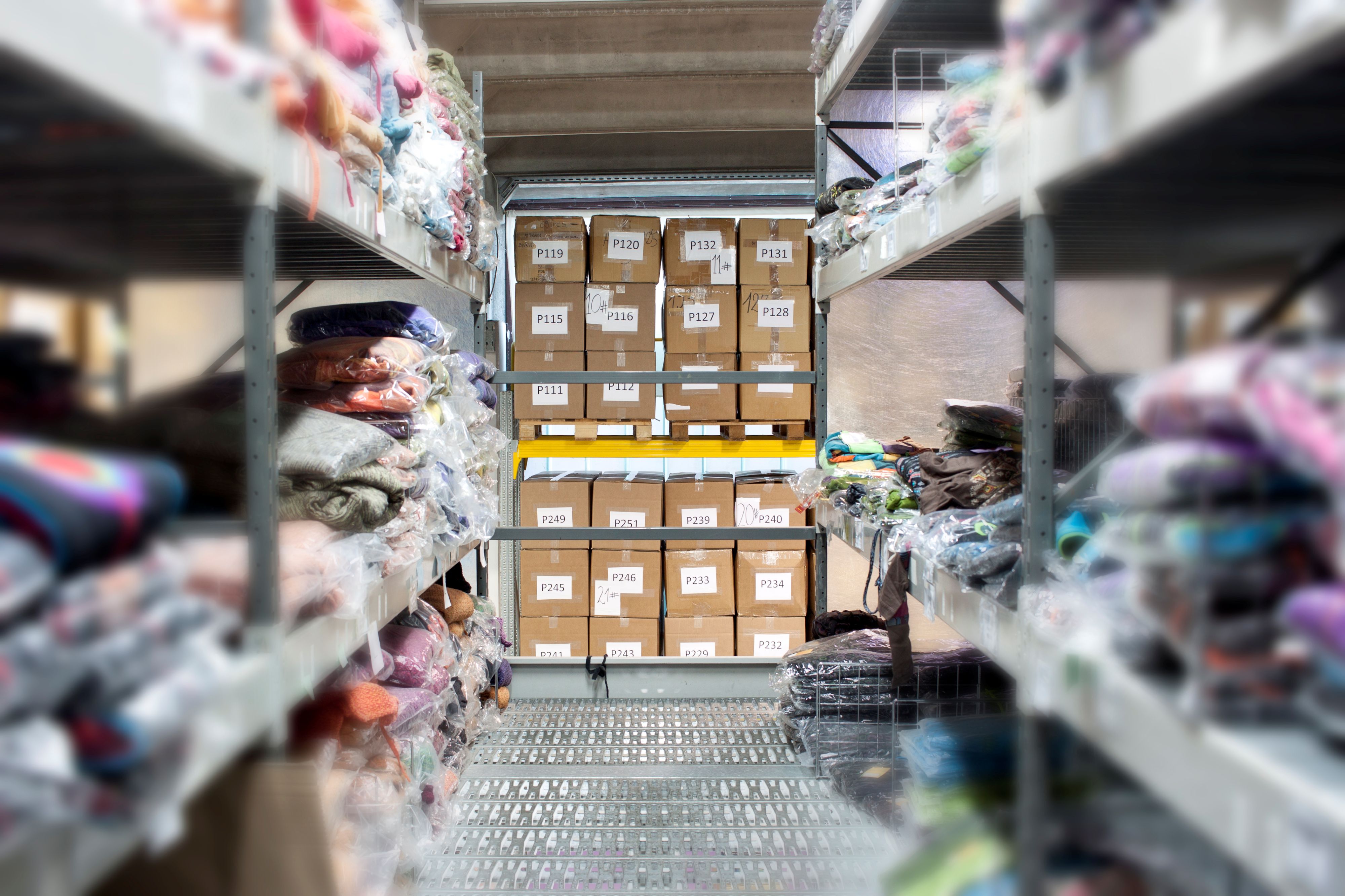
Salvage is often misunderstood. Many people view salvage as a last resort. In reality, it can be a critical component of a healthy circular retail operation. A strong salvage program creates several advantages. It keeps inventory moving, reduces storage costs, improves floor freshness, and generates revenue from goods that have already completed their retail lifecycle.
Most importantly, salvage helps prevent organizations from paying to dispose of material that still has economic value. Every pound sold through a salvage channel represents revenue that might otherwise have become an expense.
Not every item can be reused. Some products are damaged, worn beyond repair, or unsuitable for secondary markets. When this occurs, responsible recycling programs provide another layer of value recovery.
Textiles can be converted into industrial materials, insulation products, wiping cloths, and emerging fiber-to-fiber recycling streams. Other materials may be separated and processed through specialized recycling partners.
While recycling is often less profitable than resale or salvage, it remains a critical part of reducing landfill dependence and advancing circular economy goals. The most effective organizations view recycling as one component of a broader recovery strategy rather than the primary solution.
The future of circular retail will not be determined solely by retail sales performance. It will be determined by an organization's ability to build an ecosystem that captures value through multiple channels.
The strongest operators understand how to balance retail, salvage, recycling, export markets, and emerging recovery opportunities. They create systems that move products efficiently while maximizing total yield across the entire value chain. When this happens, fewer items are wasted, more revenue is generated, and greater environmental impact is achieved.
Every day, thousands of items leave thrift store shelves without being purchased. To some organizations, those items represent missed opportunities. To leading circular retailers, they represent the next opportunity.
The future belongs to organizations that understand that recovery does not end when an item fails to sell. It continues through a network of channels designed to extend product life, generate additional revenue, and keep valuable materials in circulation for as long as possible. Because in the circular economy, the end of one journey is often the beginning of another.
At Circular Retail Group, we help organizations develop recovery systems that improve salvage performance, reduce waste, and maximize value across resale, recycling, and secondary market channels.
Explore Real Strategies, Trends, and Tips to Help Your Brand Grow.


.jpg)