/ home
MENU

In today's increasingly competitive environment, donation acquisition has become one of the most important strategic functions in the entire organization.
.jpg)
For years, thrift organizations have focused their growth efforts on retail operations. They improved merchandising. They expanded store footprints. They invested in marketing campaigns and customer acquisition strategies. While these initiatives remain important, a growing number of operators are discovering a different reality.
The future of thrift growth begins long before a customer walks through the front door. It begins with donations.
In today's increasingly competitive environment, donation acquisition has become one of the most important strategic functions in the entire organization. The operators that consistently secure high-quality donation streams are often the same organizations generating stronger sales, healthier margins, and more sustainable long-term growth.
The reason is simple. Without donations, there is no inventory.
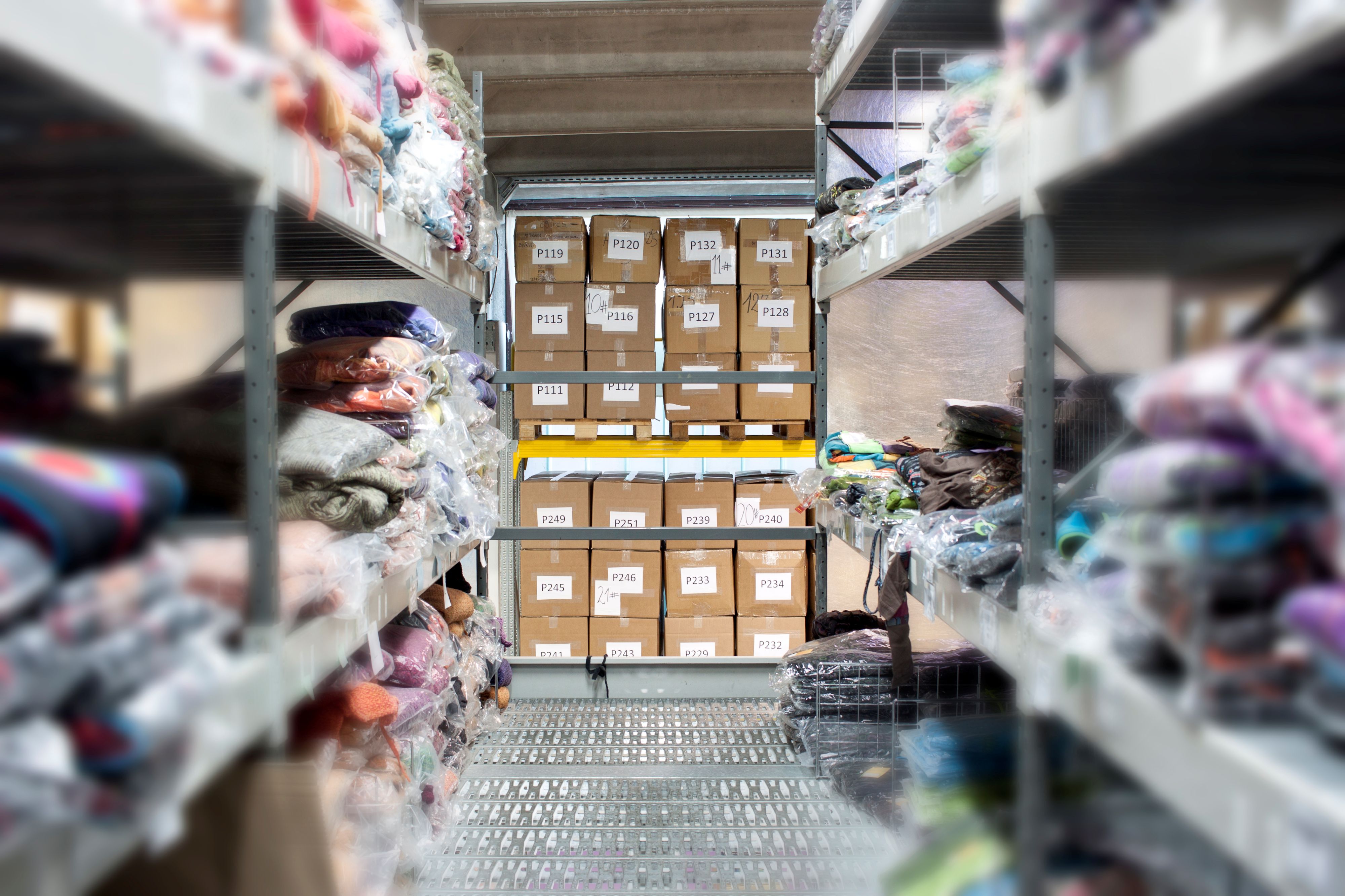
This creates a unique operating model. Every donated item represents future revenue potential. A donated sweater may become a retail sale. A donated pair of shoes may support a salvage program. A donated textile may enter a recycling stream. Every successful outcome begins with acquisition.
When donation volume declines, every downstream system feels the impact. Processing slows. Store inventory becomes inconsistent. Sales floor freshness suffers. Revenue growth becomes increasingly difficult to sustain. The strongest operators recognize that donation acquisition is not simply a support function. It is a primary driver of organizational performance.
The thrift industry is no longer competing only with other thrift stores. Today, consumers have more options than ever before when deciding where to donate. Resale platforms allow individuals to sell items directly. Online marketplaces offer alternative channels. Textile recycling programs continue to expand. Community-based collection efforts are growing in many regions.
As a result, organizations can no longer assume donations will simply arrive. They must actively earn them.The operators gaining market share are building systems designed to create convenience, trust, and long-term donor relationships.
Most donors want to do the right thing. However, convenience often determines where donations ultimately go. Location accessibility, operating hours, drive-through donation centers, collection bins, scheduled pickups, and community events all influence donor decision-making.
Organizations that remove friction from the donation process consistently outperform those that make giving difficult. The easier it is to donate, the more likely people are to do it. This principle may seem simple, but it remains one of the most overlooked opportunities in the industry.
Leading operators are moving beyond isolated donation centers and building comprehensive donation acquisition networks. These networks often include multiple collection channels working together to create a consistent flow of goods. Retail drop-off locations. Community partnerships. Corporate collection events. School drives. Faith-based initiatives. Specialized collection programs.
Each channel contributes to a broader ecosystem designed to increase volume, improve geographic coverage, and strengthen brand visibility. The goal is not simply more donations. The goal is creating a reliable and scalable donation infrastructure.
Historically, many organizations managed donation acquisition based on intuition and experience. Today, data is becoming a competitive advantage. Operators are analyzing donation volume by location, tracking acquisition costs, measuring donor retention, and evaluating the effectiveness of collection channels.
This information helps organizations allocate resources more effectively and identify opportunities for expansion. Data transforms donation acquisition from a reactive activity into a strategic growth function.
The next generation of thrift leaders will think differently about growth. They will continue investing in stores, processing, merchandising, and customer experience. But they will also recognize that sustainable growth begins upstream. They will view donations as a supply chain. They will build acquisition systems instead of relying on chance. They will invest in donor relationships instead of waiting for donations to appear.
Most importantly, they will understand that every item sold, salvaged, recycled, or recovered starts with one decision made by a donor.
The future of circular retail belongs to organizations that understand where growth truly begins. Not at the register. Not on the sales floor. Not in marketing campaigns. Growth begins the moment a donor decides where to place their next bag of goods. The organizations that win that decision will be the organizations that shape the future of the industry.
At Circular Retail Group, we help organizations build donation acquisition systems that increase volume, strengthen donor networks, and create scalable growth across the circular retail value chain.
Explore Real Strategies, Trends, and Tips to Help Your Brand Grow.