/ home
MENU

The way an organization processes, sorts, and routes product determines how much value is recovered and how much is ultimately discarded.
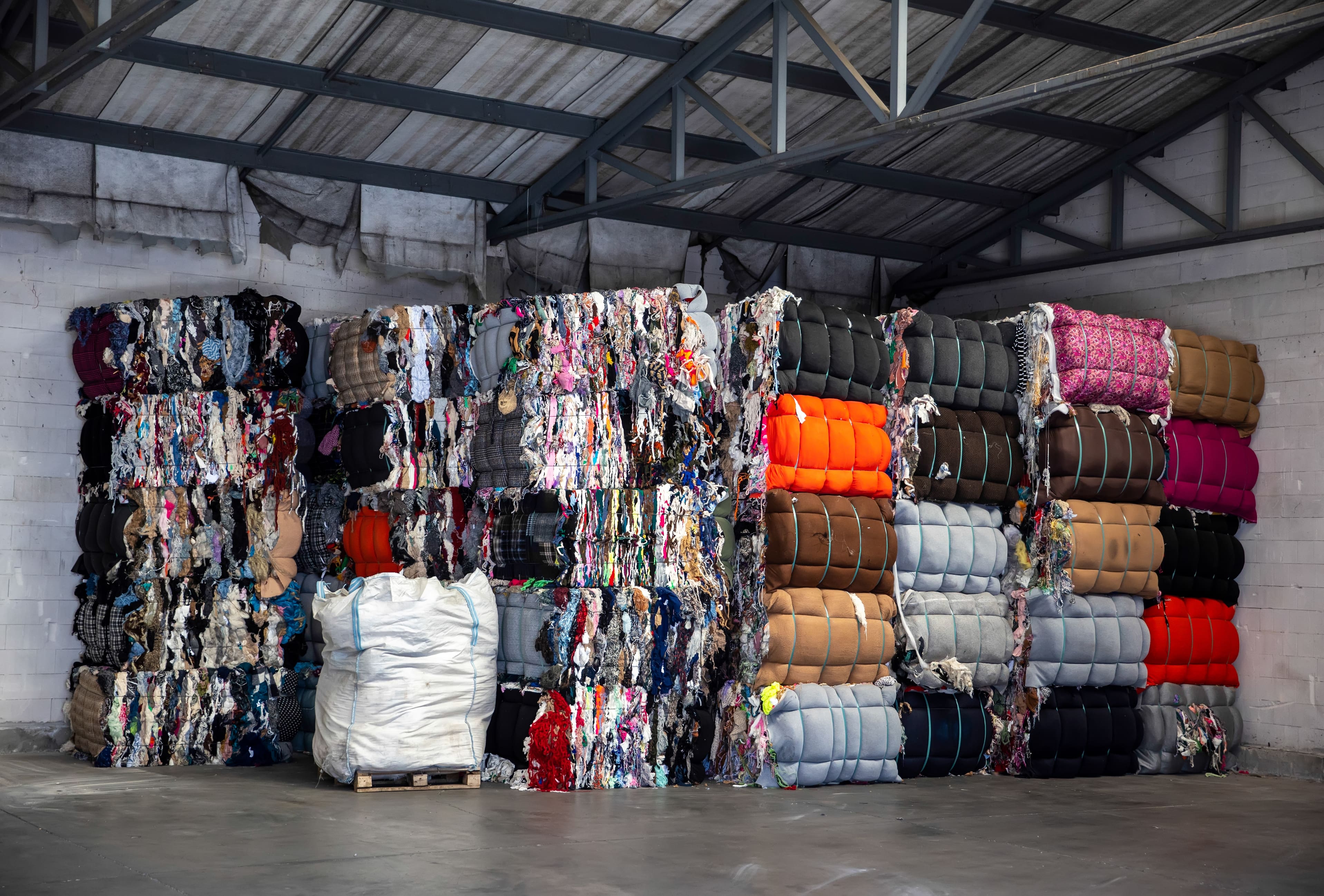
Waste is often treated as a downstream problem in circular retail. Something that happens after processing, after retail, after salvage decisions are made. But in reality, waste is not an endpoint issue. It is a systems issue. It is created—or prevented—much earlier in the operational chain. The way an organization processes, sorts, and routes product determines how much value is recovered and how much is ultimately discarded.
In circular retail, waste is rarely about what arrives. It is about what happens next.
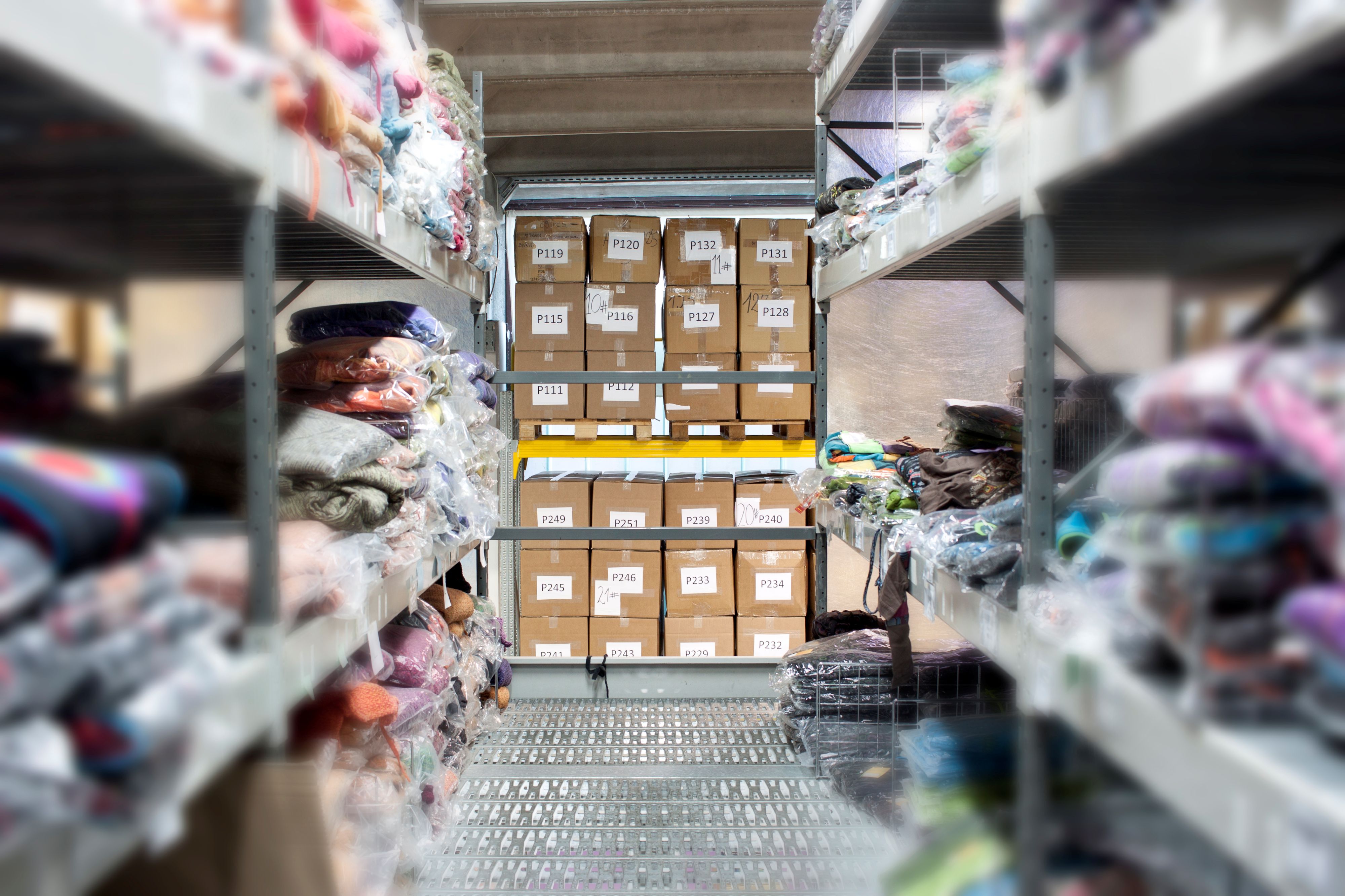
Most organizations first notice waste at the compactor, salvage bin, or recycling container. But by the time product reaches that stage, the outcome has already been decided.
Inefficient sorting leads to misclassification. Poor workflow design slows decision-making. Inconsistent grading standards push recoverable product into waste streams. Limited visibility into performance prevents corrective action.
What appears as waste is often the result of upstream operational design.
One of the largest hidden drivers of waste is incorrect categorization during processing.
Items that could generate retail revenue are sometimes routed too quickly into salvage. Items with salvage value are discarded. High-value pieces are overlooked due to speed pressures or inconsistent training.
Each misclassification represents lost value. Individually, these errors seem small. But across thousands of donations, they compound into significant financial and material loss.
Many organizations attempt to solve throughput challenges by increasing speed. While speed is important, speed without structure often increases waste. When teams are rushed without clear standards, accuracy declines. Decision fatigue increases. Product is moved based on convenience rather than value potential.
The result is higher disposal rates, lower recovery, and reduced overall efficiency. In circular retail, speed must be paired with system design.
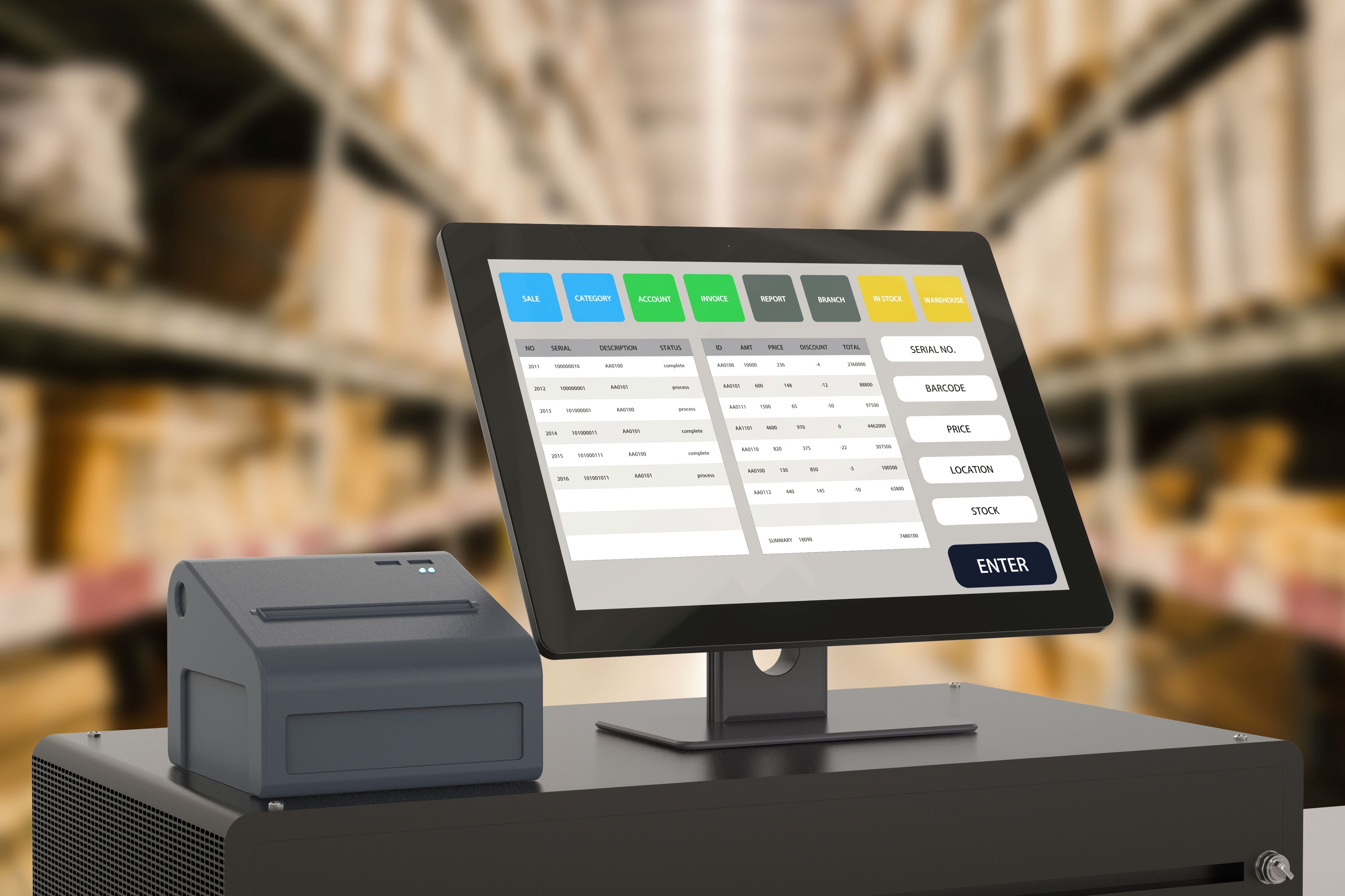
Organizations cannot manage what they cannot see. When there is limited tracking of processing outcomes, salvage performance, or recovery rates, waste becomes invisible until it is physically removed from the system.
By the time leadership sees waste, the opportunity to recover value has already passed. High-performing operators build visibility into their systems. They track category flow, monitor recovery channels, and measure what is being lost—and why.
Many organizations focus on sales performance as the primary indicator of success. But in circular retail, recovery rate is often the more important metric. Recovery rate measures how much value is extracted from each donation across all channels—retail, salvage, export, and recycling.
Improving recovery rate does not always require more donations or more stores. It requires better systems that ensure fewer items are prematurely discarded.
The most effective way to reduce waste is not through end-of-line disposal management, but through system design.
Clear grading standards reduce ambiguity. Structured workflows improve decision consistency. Proper staffing alignment ensures the right people handle the right product categories. Real-time performance tracking enables continuous adjustment.
When these elements are in place, waste decreases naturally. Not because it is managed more aggressively, but because it is prevented earlier.
As circular retail continues to evolve, the organizations that lead the industry will not be those that simply process more product. They will be the ones that recover more value from the same product flow.
They will design systems that minimize waste before it occurs, not after it is discovered. They will treat waste as a signal of system inefficiency, not an unavoidable outcome. Because in a truly circular system, waste is not inevitable. It is designed—or eliminated.
At Circular Retail Group, we help organizations reduce waste, increase recovery rates, and build operational systems that maximize value across every stage of the circular retail lifecycle.
Explore Real Strategies, Trends, and Tips to Help Your Brand Grow.