/ home
MENU

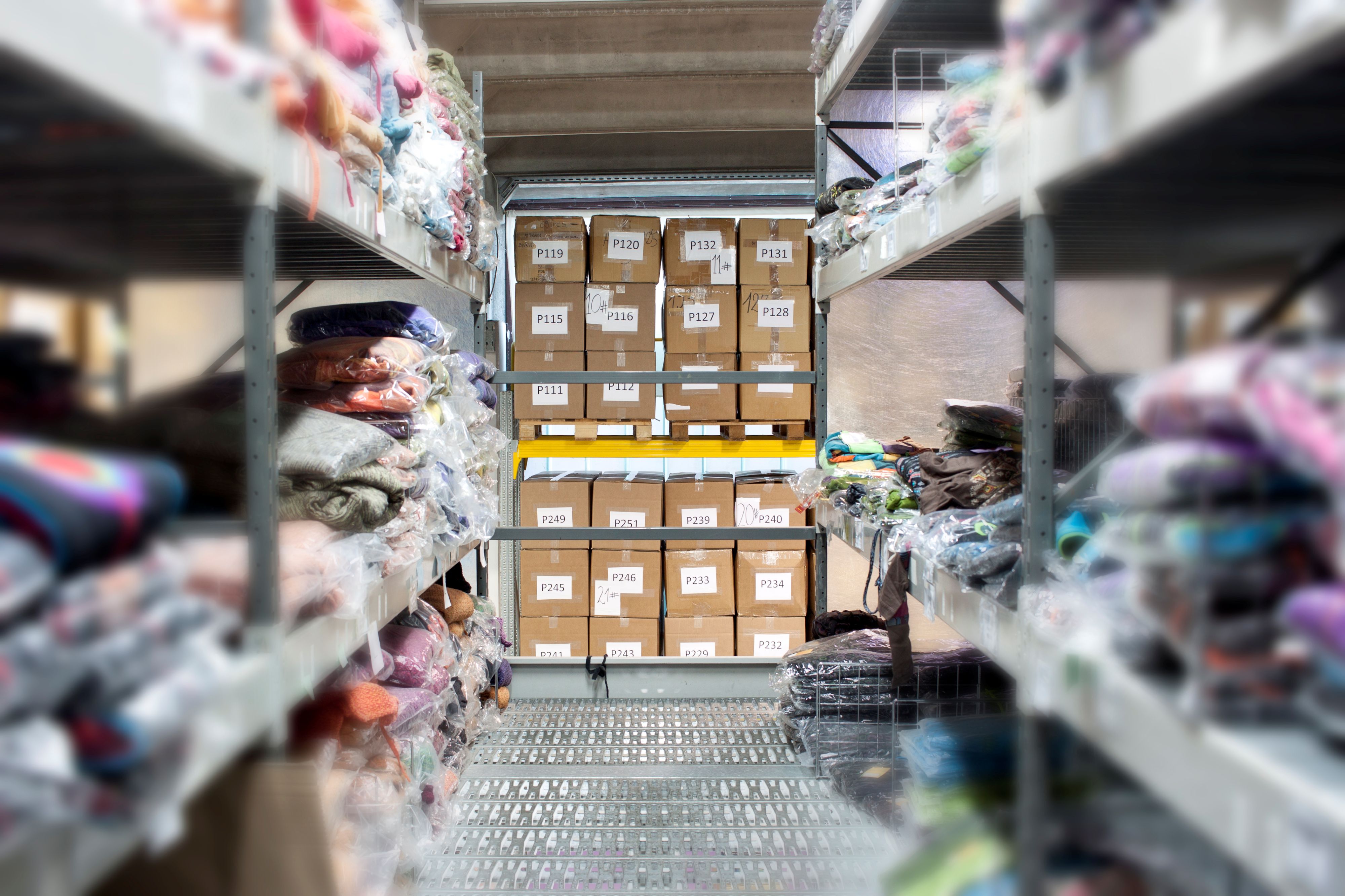
It's in the backroom. More specifically, it's where donations are sorted, graded, processed, and prepared for sale.
When most thrift operators think about growth, they focus on the sales floor. They think about merchandising, pricing, promotions, customer traffic, and store layouts. These areas matter. They directly influence the shopping experience and play a significant role in revenue generation.
But the most valuable square foot in many thrift operations isn't located on the sales floor at all. It's in the backroom. More specifically, it's where donations are sorted, graded, processed, and prepared for sale. While customers never see this space, the performance of the entire organization is often determined by what happens there.
Every item sold in a thrift store passes through the processing operation. Before a customer purchases a shirt, a pair of shoes, a houseware item, or a piece of furniture, someone must receive it, sort it, evaluate it, price it, and prepare it for sale.
The speed and quality of these decisions influence everything that follows. When processing is efficient, product moves quickly to the sales floor. Stores remain fresh. Inventory turns improve. Recovery rates increase. Revenue grows. When processing slows, the opposite occurs.
Backrooms become crowded. Inventory ages. Seasonal product misses its selling window. Labor becomes less productive. Revenue opportunities are delayed or lost entirely. The sales floor often receives the credit for success, but processing is where success begins.
Many organizations respond to growing donation volume by creating more storage space. Additional racks appear. More gaylords are added. Overflow areas expand. While this may provide temporary relief, storage rarely solves the underlying issue. Inventory does not generate revenue while sitting in a backroom. The goal is not to store more product. The goal is to move more product.
High-performing operators focus on throughput—the speed at which donations move through the system and onto the sales floor or into their highest-value recovery channel. The faster product flows, the faster value is created.
A common misconception is that a few extra days in processing have little impact on performance. In reality, delays create compounding costs throughout the organization. Seasonal merchandise loses relevance. Sales floor freshness declines. Labor productivity decreases. Storage requirements increase. Customer excitement diminishes.
The longer inventory waits, the greater the risk that value is lost before the product ever reaches a customer. Time is one of the most overlooked expenses in thrift operations.
Leading operators have begun applying Lean principles to processing environments. Instead of organizing work around convenience, they organize around flow. Workstations are designed to reduce unnecessary movement. Production expectations are clearly defined. Performance metrics are tracked daily. Labor is aligned with category demand and operational priorities.
The result is a processing environment that consistently converts donations into revenue faster and more efficiently. Small improvements in flow often create substantial improvements in throughput and recovery.
Many organizations spend significant time discussing sales growth while overlooking the systems that make sales possible. Yet some of the largest gains available in circular retail can be found before an item ever reaches the floor. A faster processing operation creates a fresher store. A fresher store creates a better customer experience. A better customer experience drives stronger sales. The connection is direct.
The future of thrift retail will belong to organizations that optimize the entire value chain, not just the customer-facing portions of it. The stores that outperform their competitors will be those that move product faster, recover more value, and build systems capable of scaling with increasing donation volume. That work begins in the backroom. Because the most valuable square foot in your thrift store isn't where customers shop. It's where donations become revenue.
At Circular Retail Group, we help thrift and circular retail organizations redesign processing operations, improve throughput, and build scalable systems that maximize recovery and revenue.
Explore Real Strategies, Trends, and Tips to Help Your Brand Grow.